CENTURIES OF EXPLOITATION OF CAMELS IN THE CANARY ISLANDS
We reveal the hidden side of the camel riding industry, which uses brutal violence to force animals into submission for tourist rides and keeps them in deplorable conditions. Help us put an end to this cruel business and transform the sector into ethical and sustainable practices.
Enough Is Enough!
We have called on the Spanish government to end this cruel practice and urged the authorities of the Canary Islands, as well as those of Lanzarote and Fuerteventura, to stop protecting a sector that profits from animal suffering.
Sign the petition to demand that leading tour operators such as TUI, as well as platforms like Viator/Tripadvisor, GetYourGuide and Civitatis, transition the sector to ethical and sustainable practices.
The Investigation
In one of the videos resulting from investigations conducted by the Spanish animal protection organisation ADEMAL and FFW at a camel farm in Lanzarote, the camels’ cries of pain can be heard as they are brutally beaten – a common method used to make them “obedient” for tourist rides.
What Have We Uncovered?
These rides rely on coercive training and beatings that lead to injuries. Our veterinary report also confirms a lack of access to food, water and adequate resting areas, as well as severe physical and behavioural problems:
Musculoskeletal
Problems
The camel riding industry exploits these animals from a very young age – before the age of four – when their spine is not yet fully developed. This leads to permanent structural damage. The rides cause bone and joint damage, as the constant carrying of people leads to pressure sores, muscle damage and possible microfractures in the spine.
Use of
Muzzles
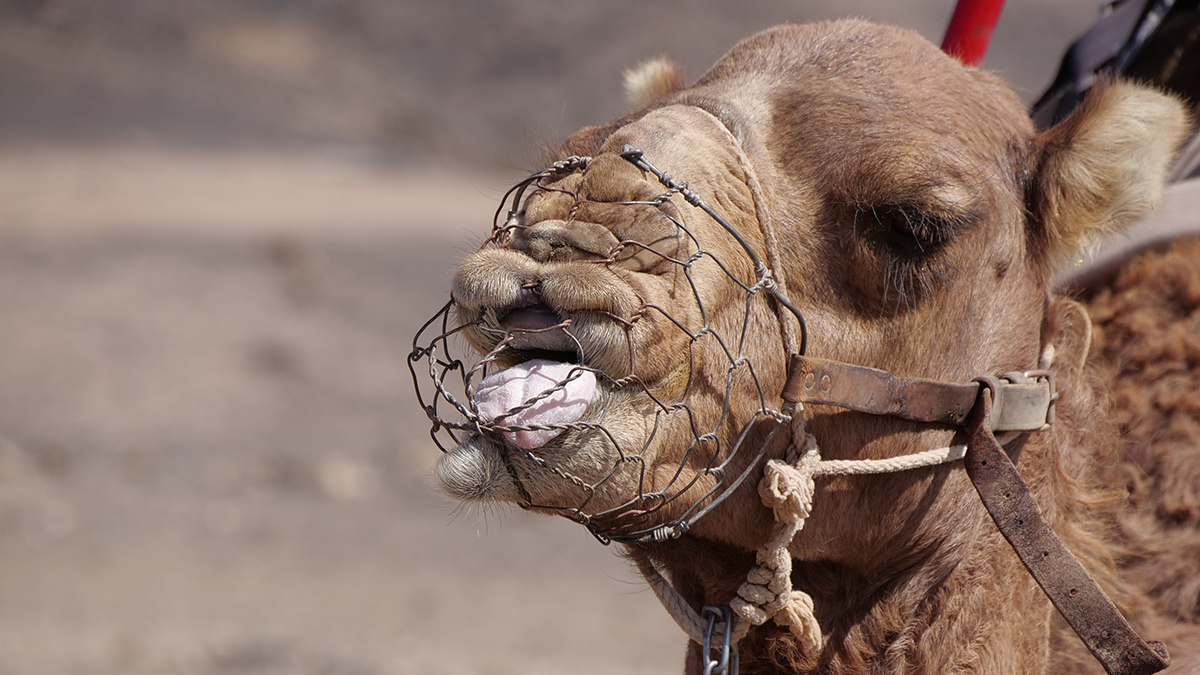
Muzzles are used to prevent camels from resisting, forcing them to work despite pain, exhaustion or fear. Poorly fitted or restrictive muzzles can cause injuries to the snout and nasal cavity, leading to swelling and breathing difficulties, as camels primarily breathe through their nose. Their use is associated with serious injuries such as jaw fractures.
Dermatological
Problems
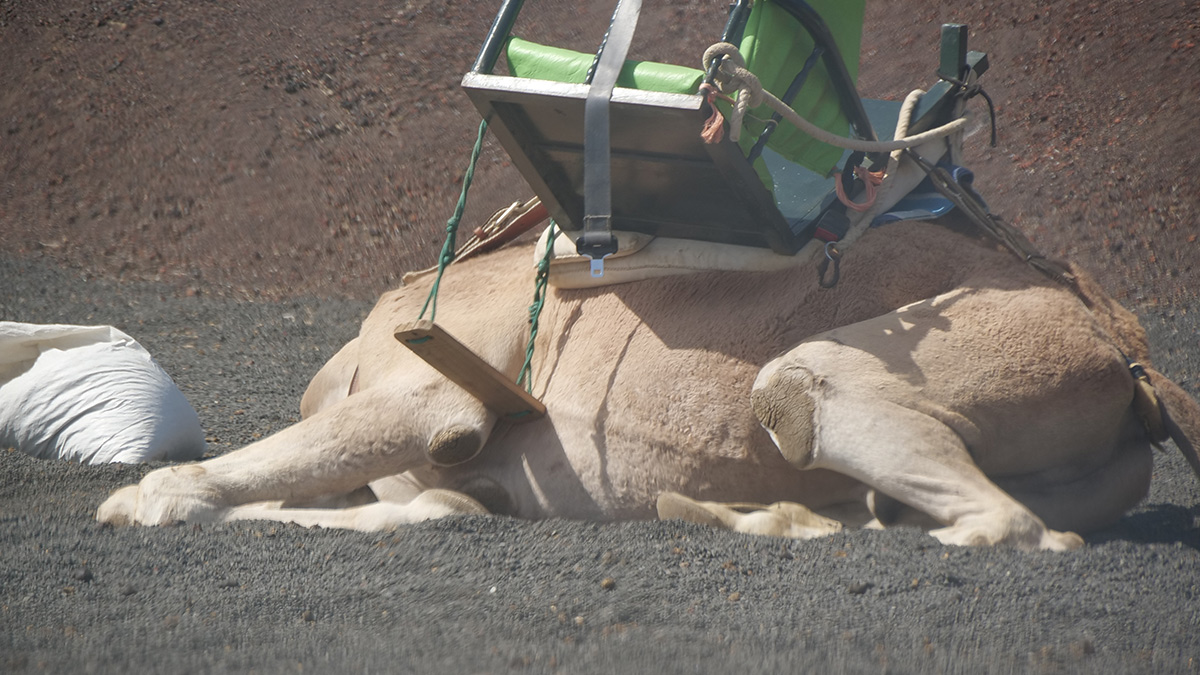
Calluses on the limbs and chest develop due to three unnatural factors: highly abrasive volcanic ground, prolonged daily sitting without the ability to stand up, and lifting the weight of passengers and saddles directly from the ground.
Lack of Shade
and Hygiene
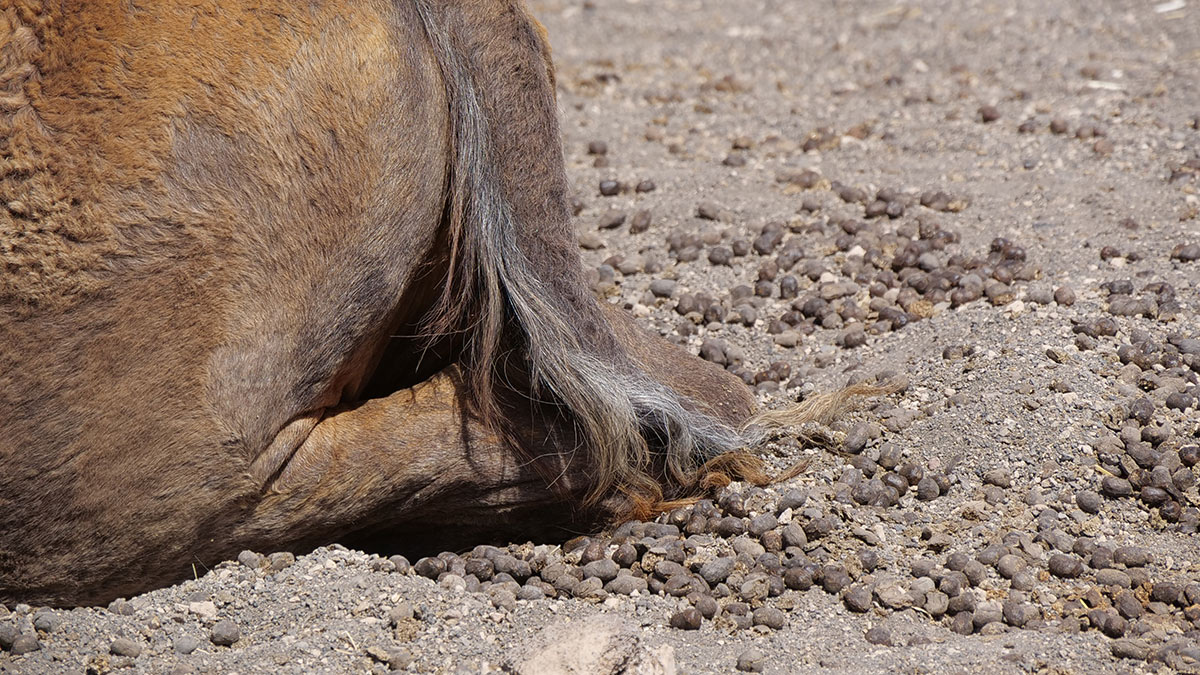
Inadequate living conditions severely affect the health of camels used for tourist rides. During long working days, they are exposed to high temperatures, and at the end of the day they are often kept in unsanitary enclosures.

Camels Are Not Tourist Attractions
If you believe that animals should not be used for entertainment, sign and share this petition.
What Has Happened So Far?
Trip to Lanzarote
We visited Lanzarote to assess the living conditions of camels in various locations.
Veterinary Report
We published a comprehensive report highlighting serious animal welfare violations and severe physical harm inflicted on animals exploited for tourist rides.
Viral Video
A video recorded by a tourist showed several workers beating a young camel. The footage spread worldwide and reached hundreds of thousands of people across social media.
New Video
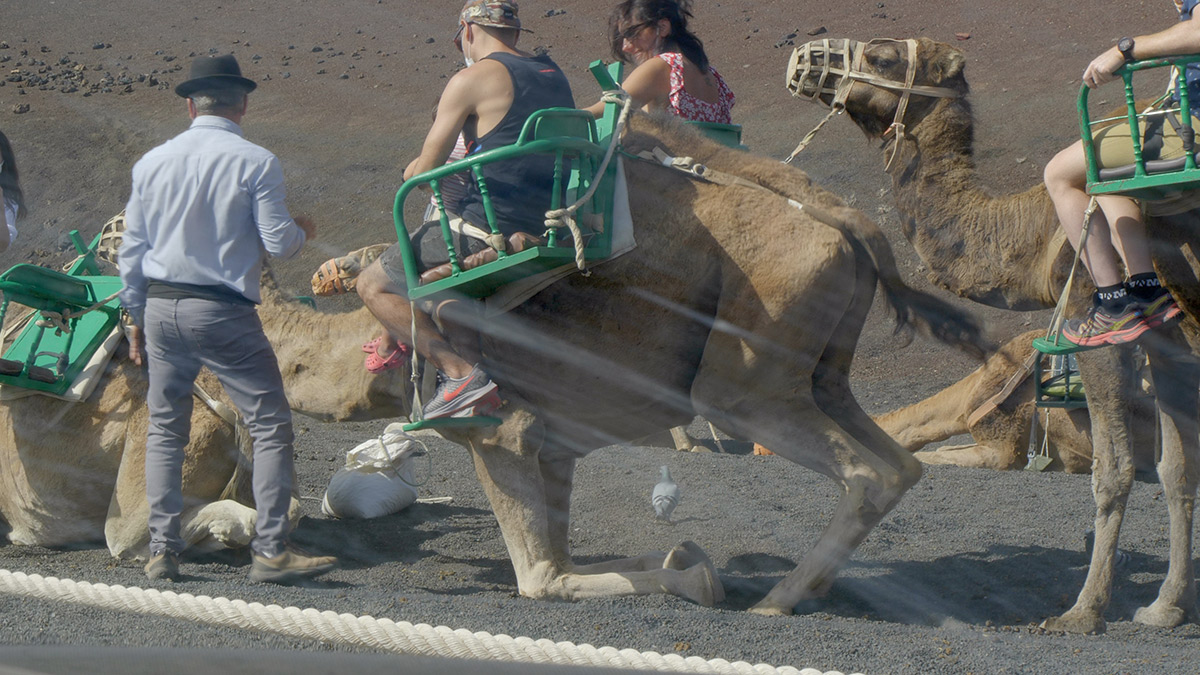
Another video shows an adult camel collapsing, tourists jumping off, and the hesitant reaction of the responsible worker – while authorities failed to take any action.
Campaign Launch
Launch of the “Canarian Camels” campaign to end this cruel practice and transform the sector into ethical and sustainable alternatives.
Why?
If a dog or a horse were tied up all day, stand on abrasive ground cushioned only by its own waste, and lift weights exceeding 50% of its body weight, it would be considered completely unacceptable under animal welfare standards and legislation. There is no reason to apply different standards to camels.
The burden placed on these animals is in some cases even greater than that imposed on camels in Egypt used for the same tourist activity.
Animal-based tourist attractions are facing growing public opposition, while support for this practice among visitors to the Canary Islands is declining.
This business model relies on institutional support from local authorities and the Canary Islands government, which artificially sustains it. In some cases, authorities even receive a share of ticket sales, making independent oversight difficult.
In recent years, tour operators and their lobbying groups have received hundreds of thousands of euros in public funding.
It is particularly concerning that this practice takes place within Timanfaya National Park and the Fuerteventura Biosphere Reserve, creating a misleading impression for tourists of strict control and protection.
Objective
Raise awareness among potential visitors about the suffering behind this tourist activity.
Transform the camel riding sector into ethical and sustainable alternatives without animal exploitation.
End the promotion of animal rides by tour operators and support responsible alternatives.
Abolish all public subsidies.